
An In Depth Look at Canker Sores
Canker sores, also called aphthous ulcers, are small, painful sores that form inside the mouth, often on the cheeks, lips, tongue, or soft palate. They are not contagious, but they can make eating, drinking, and speaking uncomfortable. Most canker sores heal on their own within 1 to 2 weeks.
What they look and feel like
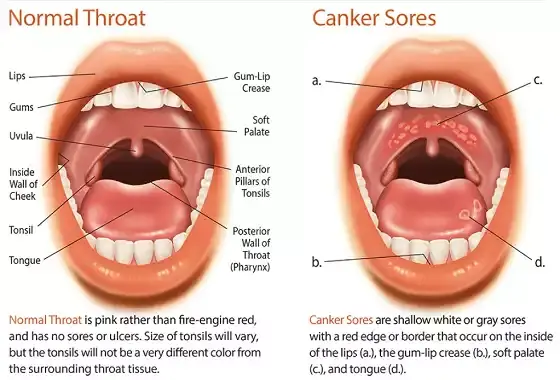
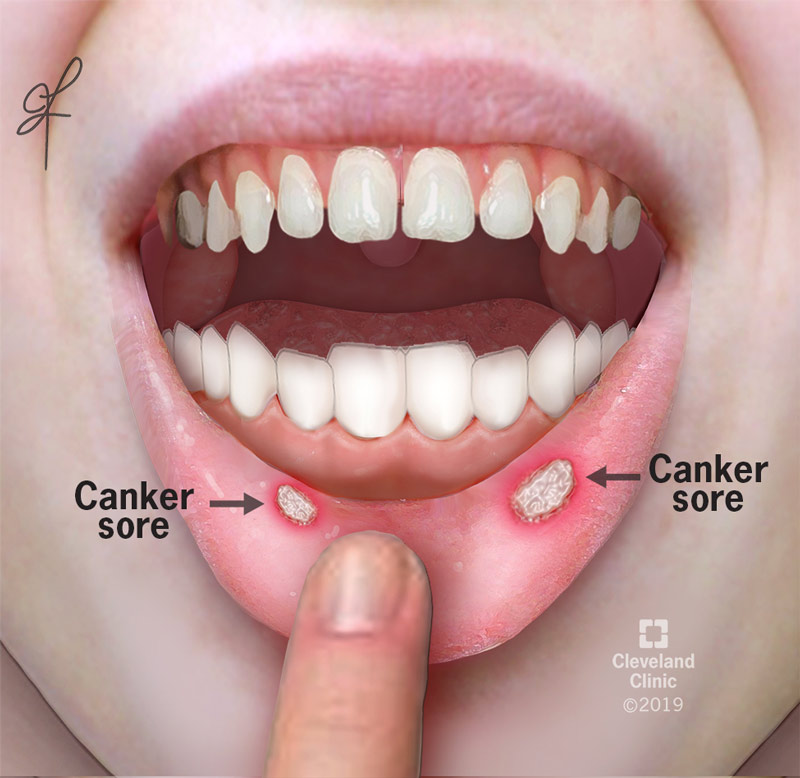
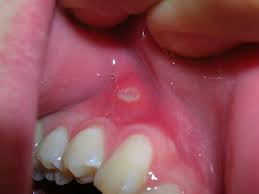
Canker sores are usually round or oval with a white or yellow center and a red border. They can sting or burn, especially when irritated by spicy, acidic, or salty foods.
Common triggers
Many canker sores are linked to irritation or stress. Common triggers include accidentally biting the inside of the cheek, rough dental appliances, aggressive brushing, emotional stress, hormonal shifts, and certain foods. In some cases, vitamin or mineral deficiencies (like B12, folate, or iron) can play a role.
When it might be more than a simple sore
Occasional canker sores are common, but frequent or severe outbreaks can sometimes be associated with underlying issues such as immune system conditions, gastrointestinal disorders, or nutritional deficiencies. Your dentist or physician can help determine if additional evaluation is needed.
How to manage discomfort
To reduce pain while the sore heals, avoid foods that irritate it, keep the area clean, and consider saltwater rinses. Over-the-counter topical gels and rinses can help numb the area. If sores are large, very painful, or recurrent, prescription rinses or medications may be recommended.
When to call a dentist
Contact a dentist if a sore lasts longer than 2 weeks, is unusually large, keeps returning, or comes with fever or significant swelling. A professional evaluation helps rule out other causes of mouth ulcers and can provide stronger treatment options if needed.